
For instance, if there’s an issue with a payment that hasn’t been processed correctly, a debit memo is issued to update your records and ensure everything aligns properly. Have you ever wondered how financial institutions keep track of discrepancies or adjustments in your account? Essentially, a debit memorandum is like a digital note that records any changes to your bank balance due to various transactions or errors. Sellers use them to correct underbilling or apply new charges, while banks issue them for fees or overdraft penalties. Even internal finance teams may issue debit memos to offset immaterial balances on customer accounts. When a debit memo is issued, the seller’s accounts receivable increase, and the buyer’s accounts payable go up.
Featured Businesses
For example, if a customer bought a product worth $500 and was mistakenly charged $450, a debit memo would be issued for the $50 difference to ensure the correct amount is paid. In this case, sellers send out debit memos as “payment amount due” reminders to keep buyers informed of their current debt obligations and an upcoming invoice. In the case of a credit settlement, a seller often issues a formal credit memo in response to the buyer’s debit memo to formally acknowledge the buyer’s request.

Banking Customers
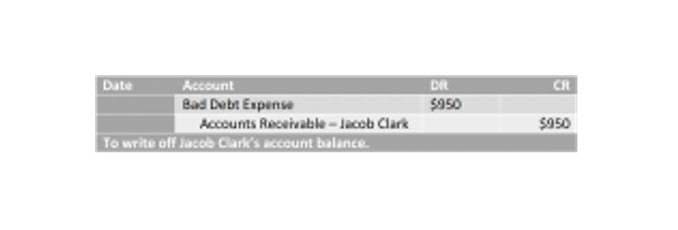
Debit memorandums impact financial statements by reducing accounts receivable and reflecting the decreased value of the transaction. This adjustment ensures the accuracy of both the buyer’s and seller’s financial reports. A debit memo is a record or document that allows companies to increase the amount of an already issued invoice. Essentially, it helps companies add items to an invoice that accountants may have missed due to clerical errors. Consequently, a debit memo also increases the amount owed by a customer since it adds additional items to an invoice.
Importance of Properly Utilizing Debit and Credit Memorandum
Stay professional, be clear about your concerns, and keep a written record of the conversation. Issuing or receiving a debit memo isn’t just about getting the numbers right – it’s also about protecting relationships, staying audit-ready, and preventing future mistakes. Whether you’re on the issuing or receiving end, following a few smart practices can help ensure your debit memos are accurate, timely, and professionally handled.
By utilizing these financial tools effectively, businesses can streamline their accounting processes and minimize errors. A credit memorandum plays a crucial role in the https://www.chemebox.com/bookkeeping/assess-company-value-with-the-ev-ebitda-ratio-and/ world of finance and accounting, serving as a tool to rectify errors, resolve disputes, and ensure accurate financial records. Understanding the purpose of a credit memorandum is essential for businesses and individuals alike. In this section, we will delve into the various reasons why credit memorandums are issued and explore their significance in maintaining financial integrity. Such transactions often involve an extension of credit, meaning that a vendor would send a shipment of goods to a company before the goods have been paid for. Although real goods are changing hands, until an actual invoice is issued, real money is not.

Some businesses also issue credits as a way to incentivize customers to submit early payment for their invoices. This can be significant for working capital management, enabling the business to meet its short-term financial obligations more effectively or to invest in other operational areas. A debit memorandum definition “force pay debit memo” is used primarily in banking and financial services. It ensures the payment of a check or debit, often overriding the usual order of payments or even the credit balance. No, a bank statement summarizes all transactions over a specific period, including credits and debits. A debit memorandum specifically outlines individual charges or reductions in the account balance.
Insufficient Funds
A credit memorandum reduces the buyer’s accounts payable or increases the seller’s accounts receivable. By following the tips provided and referring to real-life case studies, businesses can effectively manage these financial instruments and avoid potential pitfalls. In both of the examples mentioned above, it is crucial for businesses to maintain proper documentation of debit and credit memorandums.
- Although there might be a debit on your bank statement, what you need to remember is that for your records is that you would reduce the balance of your checking account with a credit entry.
- The company purchasing the item or service is given an extension of credit, meaning the selling company trusts them to pay the amount they owe a bit later.
- Company Z realises their mistake and issues a debit note to Company X for £1000 to resolve the difference and make the necessary adjustments in their accounts receivable.
- A debit memorandum is a document used in accounting to record a decrease in a company’s accounts receivable or an increase in its accounts payable.
- Think of it like rearranging furniture in your living room – every piece has its own place and moving one could affect how everything else looks and functions.
- Debit memos act as a correction tool in business-to-business transactions when a customer is inadvertently undercharged.
- In such cases, you can issue a debit memo to increase the amount due on the account balance.
- On the credit note it states 5 months worth of payments I had left in the contract, which I paid off on the settlement offer as part of the 10 months I had left.
- In the world of finance and accounting, understanding the difference between a debit memorandum and a credit memorandum is crucial.
- To respond to Deer Inc., the seller can issue a credit note to tell the buyer that the return was accepted and money returned.
- The vendor or the seller increases the amount that the client owes to the vendor which can depend on different factors.
Have a look at the key differences between them for accurate financial record-keeping and effective communication with customers. After understanding the essential components of a debit memo, let’s see when businesses use them. Debit memos are primarily used to correct mistakes in previous invoices, usually where a vendor has undercharged for goods or services in an invoice. If an original invoice is sent with an amount that was too low, a debit memo may then be sent to increase the amount charged. HighRadius stands out as an IDC MarketScape Leader for AR Automation Software, serving both large and midsized businesses. The IDC report highlights HighRadius’ integration of machine learning across its AR products, enhancing payment matching, credit management, and cash forecasting capabilities.

When there’s a billing mistake, whether from your end or the supplier’s, a debit memo acts as a clear and official communication normal balance channel. It ensures that everything is on the up-and-up and helps maintain a smooth flow of transactions between businesses. Essentially, its purpose is to correct discrepancies without causing chaos in the financial records. A credit memorandum, or credit memo, is similar to a debit memo but instead indicates a credit or increase in the account balance due to overpayments, returns, or other positive adjustments. If you have a proper understanding of debit memos, you will be able to manage them efficiently.